Platforms and projects I’ve helped build
Platform contributions, a substantial backend feature and an award-winning hackathon project.
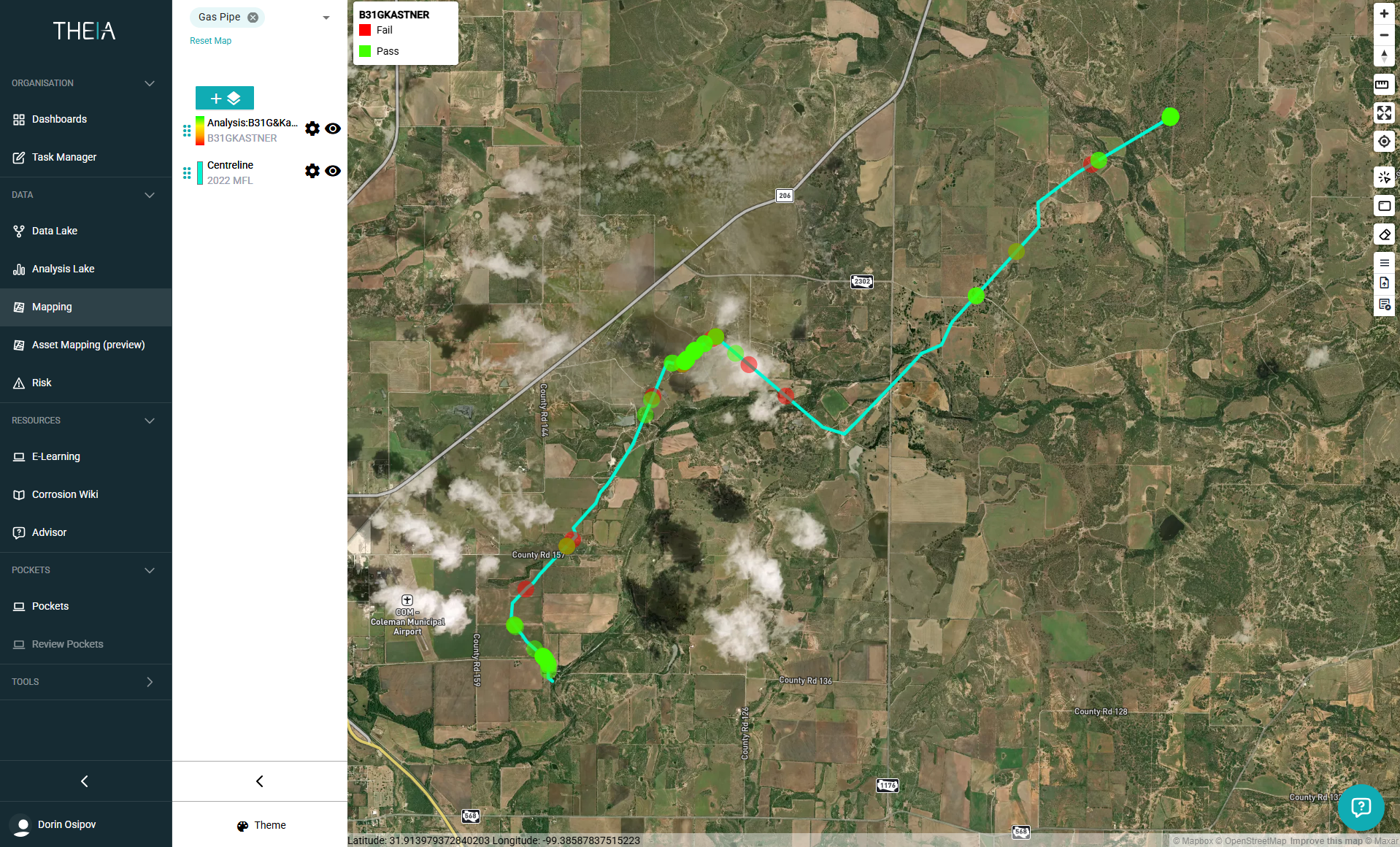
Engineering SaaS · Penspen
My backend contributions across THEIA’s Data Lake, Analysis Lake, Mapping, Dashboards, Pockets and Task Manager custom fields, supporting connected engineering workflows.
- Python
- FastAPI
- PostgreSQL
- Azure
Platform contribution · Backend engineering
View case study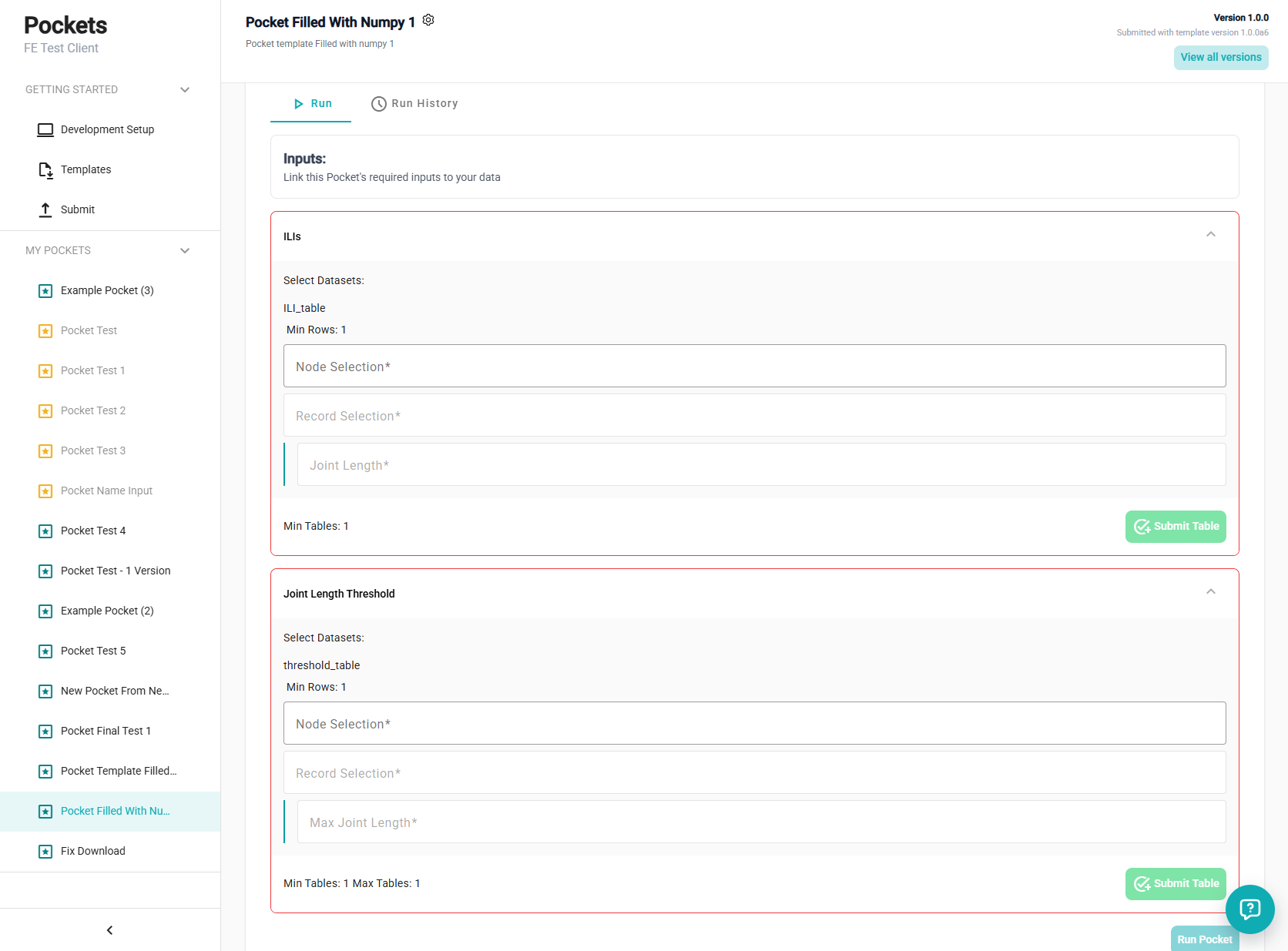
THEIA feature · Detailed case study
My largest backend project within THEIA. I designed and implemented the workflow connecting package upload and approval to isolated Python execution, session management and results.
- Python
- FastAPI
- Redis
- PostgreSQL
- Azure Container Apps
- Blob Storage
Largest backend project · Design & implementation
View case study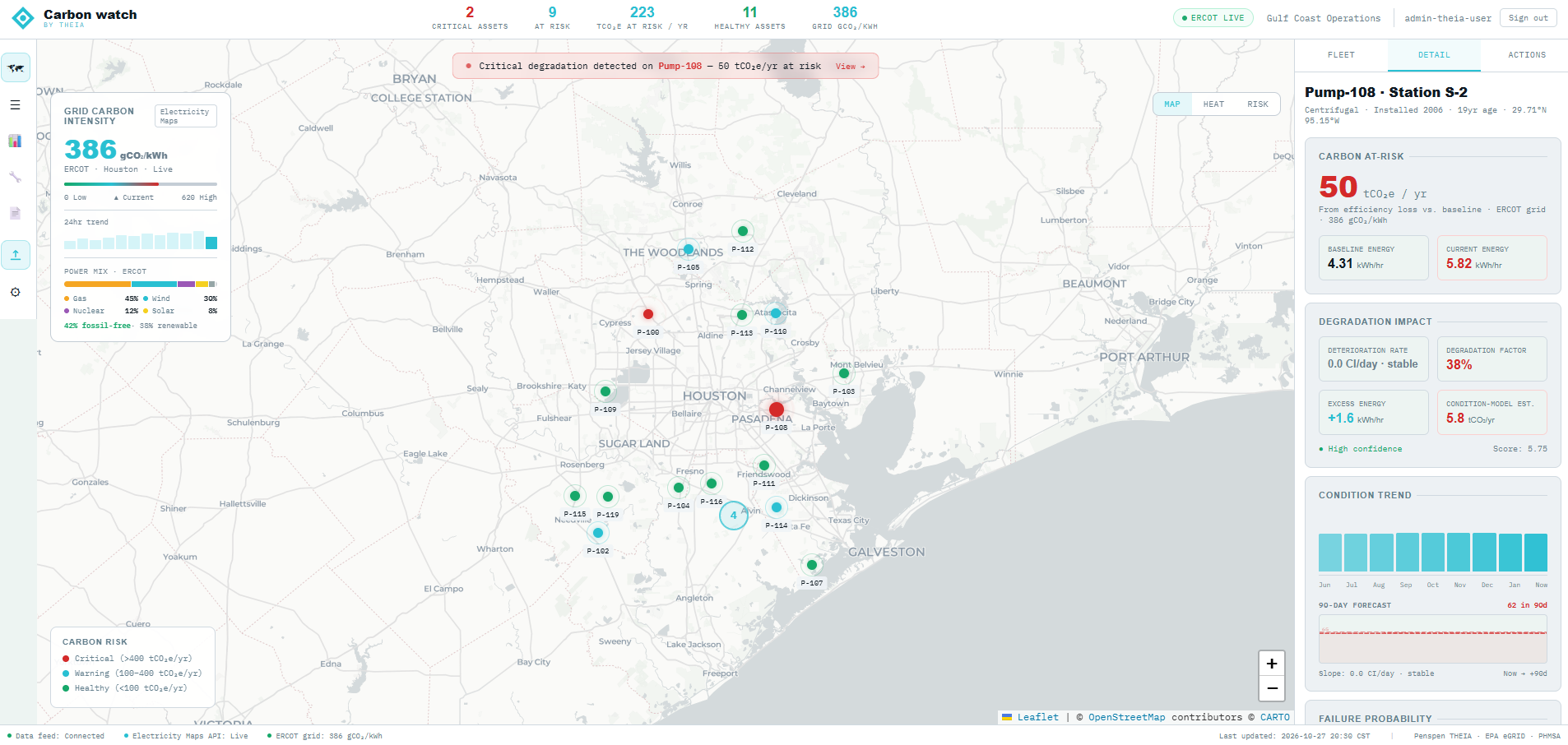
Hackathon · Backend & data engineering
I led the backend implementation and Microsoft Fabric pipeline for this award-winning hackathon project, connecting pump condition, explainable energy modelling and carbon-aware maintenance decisions.
- Python
- FastAPI
- Microsoft Fabric
- scikit-learn
- Power BI
- Angular
Best Visualization · Sidara × Microsoft Hackathon
View case studyBeyond the main projects
Other contributions, meaningful impact.
Focused improvements and delivery work that made a difference to the wider platform.
Observability & operational readiness
Azure Managed Redis monitoring & alerting
Integrated Redis monitoring into the existing Grafana setup across development, test, staging and production, bringing health indicators, capacity trends and actionable alerts into one place.
Impact
Made Redis resource pressure and missing telemetry visible, with alerts routed through the team’s existing email and Teams channels.
- Azure Managed Redis
- Azure Monitor
- Grafana
- Synthetic Monitoring
- RedisInsight
More about this contributionShow less+−
Visibility across environments
Added Redis dashboards for memory, CPU, connections, latency, workload and evictions. Warning and critical alerts use sustained conditions and capacity-aware thresholds, with environment and severity labels to support investigation.
A meaningful availability signal
Distinguished an idle service from missing telemetry instead of treating zero activity as an outage. Added telemetry-loss alerts and an independent TCP/TLS endpoint check, including certificate-expiry monitoring. The connectivity check does not verify Redis commands or the application’s private network path.
Operational value
Reused the established Grafana notification routes rather than creating a separate monitoring silo, and configured RedisInsight for troubleshooting. A private-network probe and alert runbooks remain useful next steps for closer alignment with the application’s production access path.
Account lifecycle & platform integration
Client onboarding, user invitations & account recovery
Contributed to the backend workflows for creating client workspaces, inviting users and resetting passwords, connecting account administration with email delivery and client-specific access.
Impact
Enabled invitation-based onboarding and self-service password recovery, while keeping a user’s identity separate from their access to individual clients.
- Python
- FastAPI
- PostgreSQL
- Azure Communication Services
- Azure Key Vault
- Angular integration
More about this contributionShow less+−
The workflow
Authorised administrators provision clients and invite users. New users receive an email link to set their first password; existing accounts can be associated with another client without creating a duplicate identity. Password recovery provides a separate email-based route back into the application.
Backend integration
Connected account records, time-limited invitation and reset tokens, password hashing and email delivery. The login service owns the account lifecycle, while data services use the resulting identity and client permissions to authorise application requests.
Why it mattered
Brought onboarding and recovery into a consistent application workflow, giving administrators control over membership and users a way to recover access. Separating account identity from client membership supports people working across multiple client workspaces.
Shared infrastructure & maintainability
A consistent middleware layer across app services
Implemented a shared middleware approach across the application services, bringing common response protections and request handling into a consistent layer rather than repeating them in individual endpoints.
Impact
Established a common foundation for security headers and request handling, with contextual audit logging for supported application actions.
- Python
- FastAPI
- Starlette
- PostgreSQL
- Asyncio
More about this contributionShow less+−
My contribution
Applied middleware as a common layer across the app services, with the DataOps implementation combining response security policies, request timing and action logging. Kept these concerns separate from individual feature endpoints.
Why it mattered
Centralising shared behaviour made response protections easier to maintain consistently. Context supplied by the authentication and permission layer linked supported audit records to the relevant user, client and action, helping investigation and operational support.
Engineering judgement
Moved audit database writes into background work so logging failures would not change the API response. This favours response resilience over guaranteed audit delivery: it is not a durable queue. Authentication remains with the permission layer, and the inactive rate-limit branch is not presented as an enforced control.
Infrastructure security & recovery
Secure jump-host rebuild & access recovery
Worked on retiring unused infrastructure and rebuilding a production jump host to re-establish a controlled path to a private PostgreSQL service, with tighter SSH access restrictions.
Impact
Verified SSH access and jump-host connectivity to the private database endpoint while keeping database public access disabled.
- Azure Virtual Machines
- Ubuntu Linux
- SSH
- Azure Networking
- PostgreSQL
- Microsoft Defender
More about this contributionShow less+−
Recovery & investigation
Distinguished an unavailable connection path from a database outage, investigated routing and DNS boundaries, and rebuilt the jump host inside the production network. Connectivity checks confirmed SSH access and network reachability to the database endpoint.
Reduced exposure
Replaced broad SSH access with a restriction to the approved VPN egress address, used a new passphrase-protected key and moved the replacement host to a supported Ubuntu release. The unused development host was retired rather than maintained unnecessarily.
Evidence & follow-through
Kept recovery and vulnerability closure separate. As of 18 November 2026, installed-package verification and a fresh Defender assessment remained outstanding; database login and the pgAdmin-managed tunnel were not yet verified. A newer operating-system image alone was not treated as proof that the finding was resolved.
Security & cross-team delivery
THEIA penetration-test remediation
Coordinated the Q3 penetration test and led remediation across the backend, frontend and cloud, turning an external security assessment into practical improvements across the platform.
Impact
Addressed all 12 reported findings through remediation or documented resolution.
- Python APIs
- Angular
- Nginx
- Azure App Service
- Cloudflare
More about this contributionShow less+−
My role
Acted as the point of contact for the penetration-testing contractors, provided the assessment context and coordinated follow-up. After receiving the report, I led and implemented the fixes across application and infrastructure layers.
What changed
Strengthened transport security, browser protections and content policies, improved API response handling, and corrected the sign-in submission flow. Each control was applied at the layer responsible for its behaviour.
Why it mattered
Reduced the platform’s exposure while preserving legitimate user workflows. Findings that called for an accepted browser behaviour were documented and resolved appropriately rather than changed simply to satisfy a scanner.